
Overcoming Imposter Syndrome: Recognizing it and Building Confidence
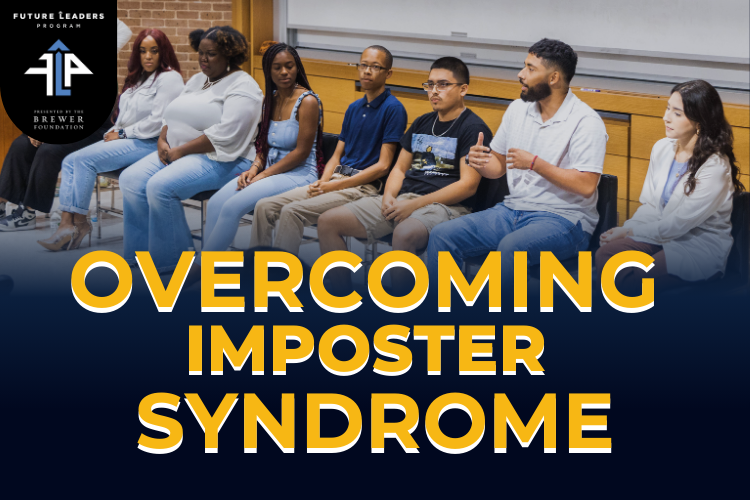
Imposter syndrome can affect anyone, and it can especially feel difficult in high school when expectations feel higher than ever.
Have you ever caught yourself thinking:
“I shouldn’t be here.”
“I don’t belong.”
“What if they realize I’m not as good as they think?”
If these thoughts show up in new environments or after big accomplishments, you might be experiencing imposter syndrome.
What is Imposter Syndrome?
Imposter syndrome is the feeling that your success “doesn’t count” or that you only got where you are from luck. Even when you’ve earned your place, the doubt still feels convincing.
Here’s the important part:
Having these thoughts does not mean they’re true.
It Can Start Early
Imposter syndrome often shows up during new experiences like:
· Switching schools
· Starting new classes
· Joining a new club or team
· Being surrounded by students who seem extremely confident or talented
When you’re around new people, it can be easier to notice everyone else’s strengths, while minimizing your own.
Over time, that comparison can create a false story: “I’m only here because I got lucky.”
But luck doesn’t explain consistent effort or improvement, your dedication does.
How You Can Recognize It
Imposter syndrome isn’t always obvious. Sometimes it looks like passion or being careful, but it can really be the strain you’re carrying.
Signs can include:
· Overworking to prove you deserve to stay
· Avoiding new opportunities because you think you’re not fit for the role
· Staying quiet, or not asking questions when you need the help
· Ignoring your own accomplishments
The Imposter Syndrome Reality Check
Everyone has moments where they feel behind. Feeling unsure doesn’t automatically mean you’re incapable. Often, it means you’re learning, and growth can feel uncomfortable.
Progress is meant to include the small awkward moments and mistakes. That’s how skills are built.
How to Overcome It
Even if you’re doing everything right, you won’t get comfortable by waiting for confidence to appear. Confidence usually comes after you take action, not before.
Here are a few ways to handle imposter syndrome:
Acknowledge your wins.
Before you focus on what’s next, be proud of what it took to get here.
Let yourself be a beginner.
Being new at something doesn’t mean you’re failing, but growth is often uncomfortable. Trust the process and embrace the change.
Ask questions early.
Learning early matters more than seeming perfect.
Focus on the facts, not fears.
Feelings change, and stress can distort your perception. Pay attention to results, feedback, and the progress you’re making.
Final Thought
Imposter syndrome can show up at any age, but it doesn’t decide your outcome.
Feeling uncomfortable doesn’t mean you don’t belong. It’s a sign you’re evolving and willing to put yourself out there.
If you stop there, you’ll be selling yourself short. The point when you start feeling out of place is often exactly where growth begins.


